

Most people hold onto their car a bit too long. The repairs pile up, the rego comes around again, and somehow it's easier to keep paying than to make a decision. If you've been wondering whether to fix your car or cut your losses, this article will help you work it out.
There's no universal answer — it depends on the vehicle, the repair costs, your situation, and what the car is actually worth. But there are five clear signals that tend to show up before most people realise their car has crossed the line from "worth keeping" to "worth selling."
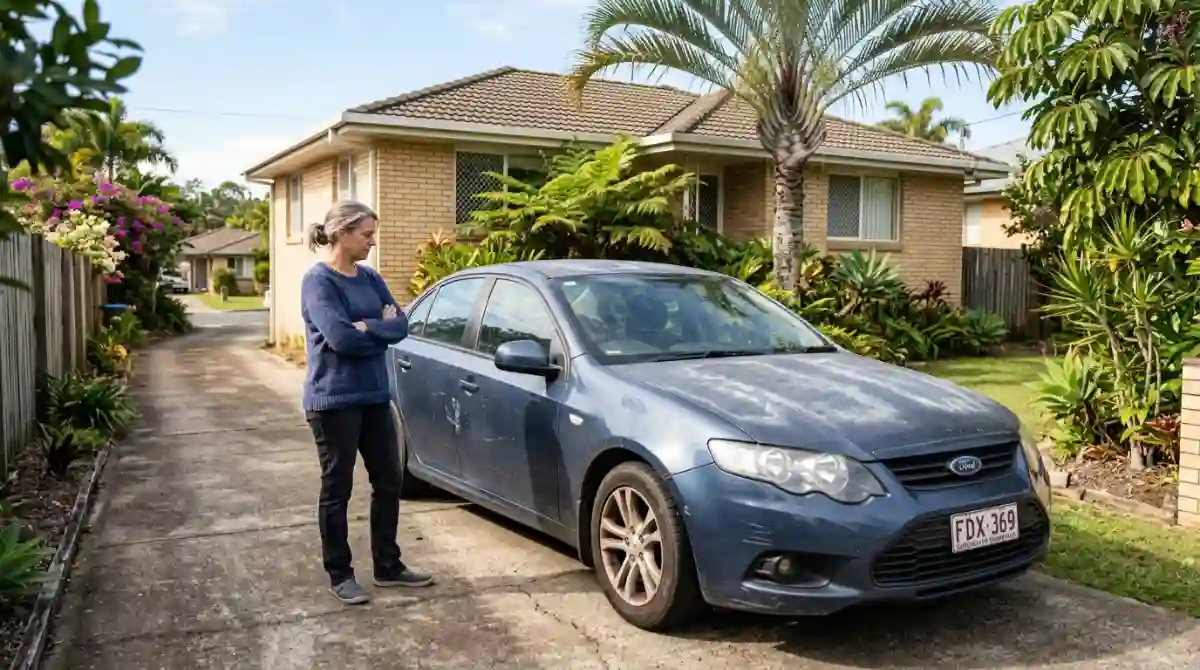
It's human nature to avoid a decision that involves spending or losing money. A car feels like an asset even when it's costing you more than it gives back. The sunk cost — what you've already spent on it — makes it feel wrong to walk away.
In Brisbane and across Southeast Queensland, this tendency is reinforced by a few practical realities. Public transport coverage in outer suburbs and regional areas is patchy, so many people genuinely feel they can't afford to be without a car. They keep a barely-running vehicle as a backup, even when it's sitting idle and costing them in registration, insurance, and storage.
The other factor is that repair costs aren't always predictable. A mechanic quotes you one job, you authorise it, then something else comes up. Before long you've spent $2,000 on a car worth $3,500 — and now selling it feels like an even bigger loss. This cycle can repeat for years.
Recognising the signals early saves you money and removes the stress of owning a vehicle that you no longer trust.
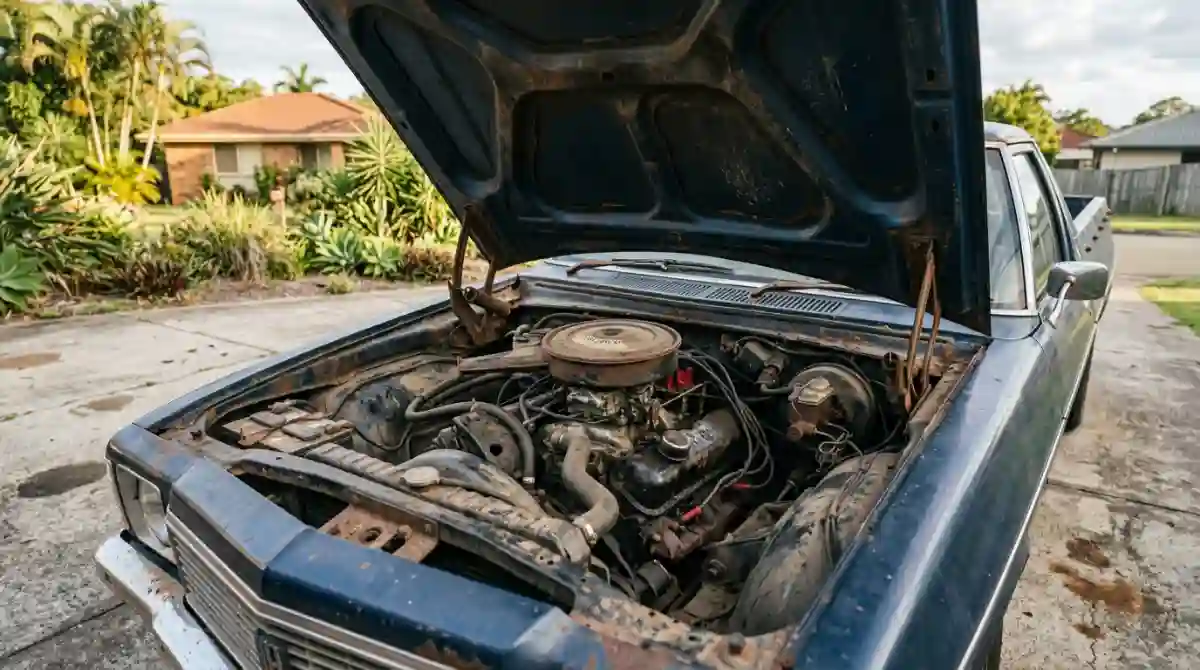
This is the clearest financial signal. If a mechanic has quoted you repairs that come close to — or exceed — what the car would actually sell for, you're in negative territory. There's an old rule of thumb: if a single repair is going to cost more than half the car's market value, it's time to seriously consider selling.
To get a realistic sense of what your car is worth, check recent private sale listings for the same make, model, year, and condition. What you paid for it, what you've spent on it, or what it would cost new — none of that is relevant. The only number that matters is what a buyer in Brisbane would actually pay for it today.
If that number is lower than what you're about to spend at the mechanic, the maths no longer work in your favour.
A car that breaks down once can be forgiven. A car that breaks down regularly is telling you something. If you're dealing with repeated, unrelated faults — electrical gremlins, overheating, oil leaks, gearbox issues, suspension problems — the car may have reached the end of its reliable life.
Older vehicles don't always fail from a single cause. When a car has high kilometres and hasn't been maintained well, multiple systems can degrade simultaneously. Fixing one problem often exposes another. The visits to the mechanic become more frequent, the quotes get larger, and the car still isn't reliable.
If you've started avoiding long trips, planning alternative routes around breakdowns, or relying on other people's cars because you can't trust your own, that's a significant quality-of-life issue — and a financial one.
Fuel prices have been a real factor for Queensland drivers over the past few years, and that's unlikely to change. Older petrol vehicles — particularly those with poor fuel economy — are increasingly expensive to run compared to newer, more efficient alternatives.
If your car drinks fuel, struggles to pass an emissions check, or was built before modern fuel injection and engine management systems became standard, you may be paying significantly more per kilometre than you need to. Newer vehicles, including fuel-efficient petrol models, hybrids, and EVs, are now accessible at a range of price points. The gap between running an old inefficient car and a newer one has widened.
This doesn't mean you need to rush out and buy a hybrid tomorrow. But if your current car's fuel costs are high, and you're also spending on repairs, the total cost of ownership can easily outweigh the cost of upgrading.
Vehicle safety technology has improved dramatically over the past decade. Older cars may lack lane assist, automatic emergency braking, reversing cameras, and updated airbag systems. While that alone isn't a reason to sell, it becomes a more serious consideration when combined with existing structural, brake, or steering issues.
If your car has frame damage, a cracked windscreen that affects visibility, worn brakes that can't be fixed cheaply, or tyres that are past their safe limit and need constant replacing, these are more than inconveniences — they're genuine safety risks, particularly if other people travel in the car with you.
A car that isn't safe to drive is not a car worth repairing unless the cost and effort is justified by the vehicle's value and your financial situation.
Sometimes the problem isn't the car at all — it's the fit between the car and your life.
A ute that worked well when you were in a trade might not suit your current job. A small car that was fine before kids arrived may no longer be practical. A second car that made sense when you had two incomes may now be sitting in the driveway unused, still costing you registration, insurance, and the occasional service.
If your car no longer matches how you actually live and work, that's a real reason to sell — even if the car runs fine. An unused or underused vehicle that's costing you money every year is often better converted into cash and put toward something more useful.
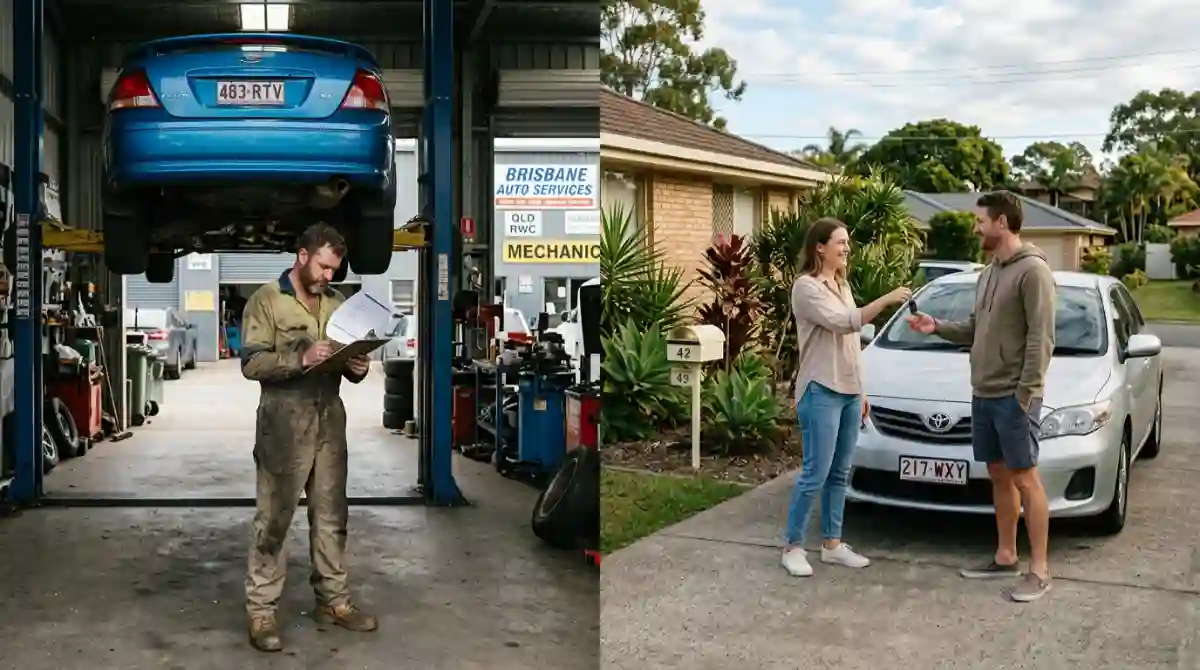
There's no formula that works for every situation, but a few questions help clarify the decision:
If the repair cost plus ongoing costs is more than what you'd pay to get into a better vehicle — or if the car's value doesn't justify further spend — selling is the rational move.
For a more detailed look at the comparison between selling to a cash-for-cars service versus trading in at a dealership, see our article on cash for cars vs trade-in. If you want to understand how to price your vehicle honestly before making any decision, our guide on how to value your used car is worth reading first.
The used vehicle market in Southeast Queensland has remained active, but buyers have become more discerning. Private buyers are now more aware of what repairs cost and how much a vehicle's reliability matters. A car with visible problems, high kilometres, or a known fault history sits on the market longer and attracts lower offers than it would have a few years ago.
At the same time, the shift toward newer vehicles — particularly those with better fuel economy, safety features, and lower running costs — means older petrol vehicles without major improvements are becoming harder to sell privately at strong prices. This isn't a collapse in the market; it's a gradual shift in buyer expectations.
For cars that are damaged, unregistered, heavily worn, or have significant mechanical faults, the private sale market becomes even more limited. Most buyers looking for a daily driver aren't prepared to take on a project.
This market reality matters when you're deciding how to sell. A car that might have fetched a strong private sale price a few years ago may now be better placed with a buyer who buys vehicles in any condition.
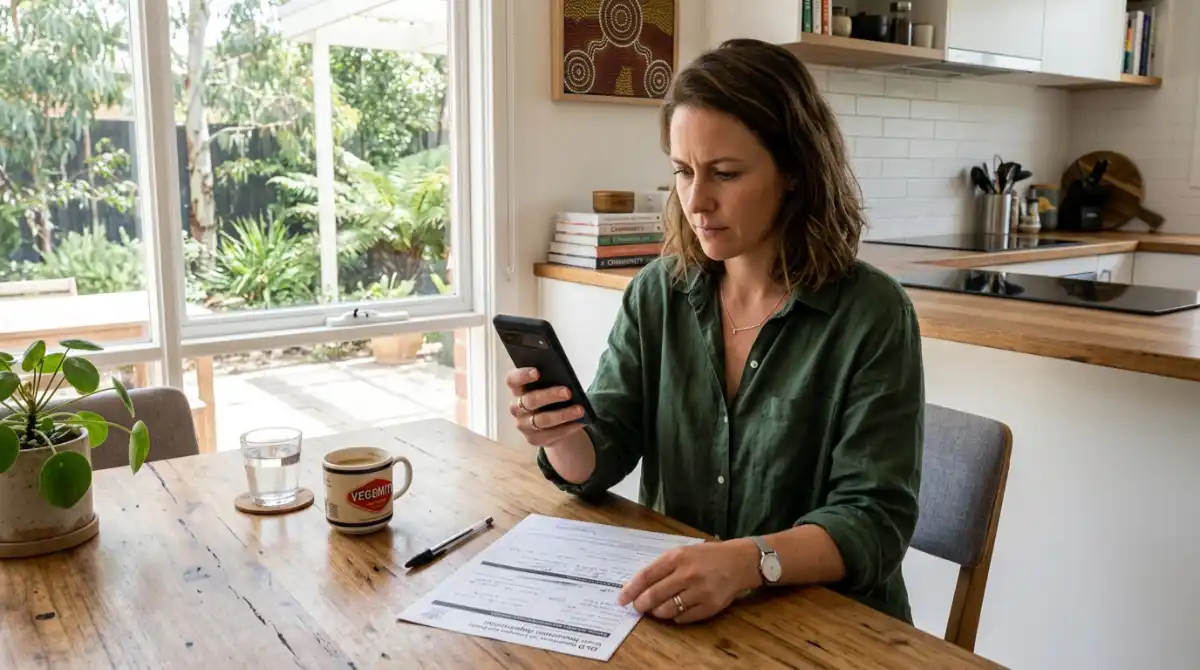
Before you sell any vehicle in Queensland, it's worth understanding the basics of the process — regardless of which selling method you choose.
Registration status matters. A registered vehicle and an unregistered vehicle are handled differently under Queensland transport rules. You'll need to notify the Department of Transport and Main Roads of the sale and transfer of ownership. The buyer takes on responsibility for the vehicle once the transfer is complete.
Keep records. Whether you sell privately, trade in, or use a removal service, keep a copy of the sale documentation. This protects you if a fine or toll notice arrives after the vehicle has changed hands.
If the vehicle can't be driven, you won't be able to take it for a roadworthy inspection or drive it to a dealership. In this case, car removal Brisbane is the practical option — a service that comes to you and collects the vehicle regardless of its condition.
This isn't legal advice — the Queensland Government's transport website has the current official requirements — but these are the practical considerations that most sellers overlook until they're mid-transaction.
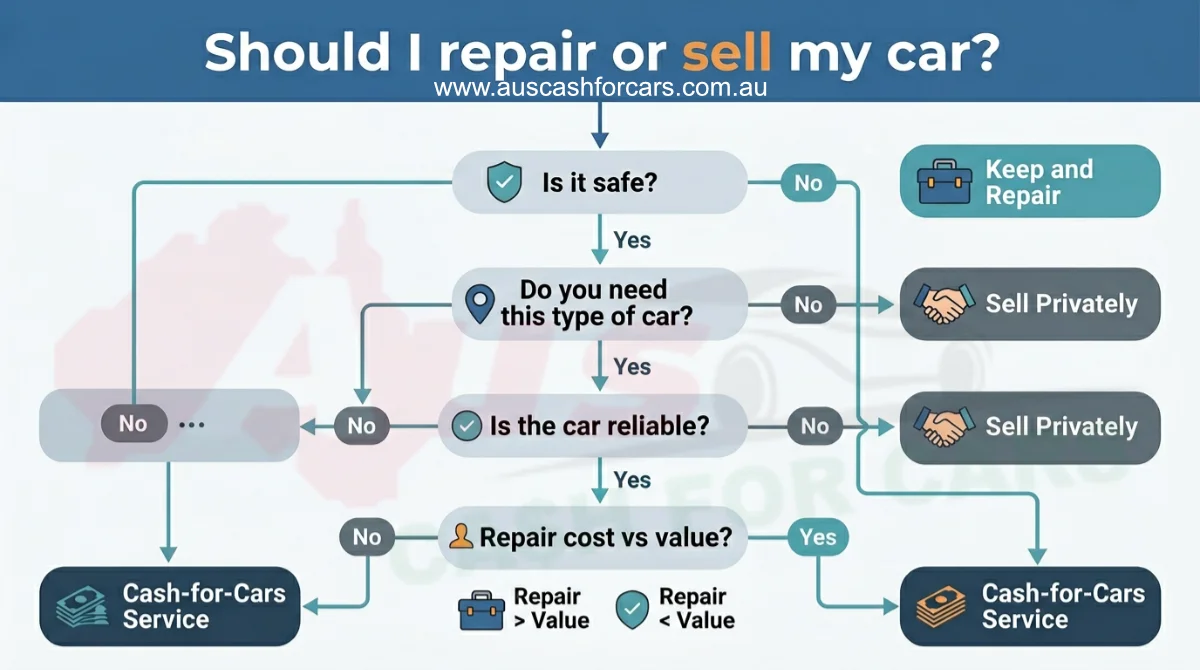
Selling privately through Carsales, Facebook Marketplace, or Gumtree can return the highest price — but it takes time, effort, and a vehicle that buyers actually want. You'll need to manage enquiries, negotiate, arrange inspections, and handle the paperwork. A car in good condition with a clear history and honest description will sell. A car with known faults requires more patience and a realistic asking price.
Trading in is convenient, but dealerships price trade-ins to leave themselves a margin. The offer you receive will typically be lower than a private sale, and if your car has faults or high kilometres, the offer may be significantly lower. Some dealers will decline to take trade-ins in poor condition altogether.
A cash-for-cars service buys vehicles in any condition — running or not, registered or not, damaged or whole. The process is straightforward: you get a quote, agree on a price, and the vehicle is collected. There's no advertising, no negotiations with strangers, no waiting. The price won't match a strong private sale, but for vehicles that are damaged, unreliable, or simply not worth the effort of a private listing, it's often the most practical option.
If you're ready to explore this option, you can sell my car Brisbane or get a quote directly through the site. We also buy cash for old cars Brisbane, cash for damaged cars Brisbane, and cash for junk cars Brisbane — vehicles in all states and conditions.
For a full overview of how the sale process works, see how the process works.
The clearest sign is when the cost of repairs is close to or greater than the car's current market value. You should also consider the car's age, reliability history, and total annual running costs. If the numbers no longer work in your favour — or if the car is unsafe — it's worth seriously considering selling.
Not necessarily. Minor cosmetic work or a service might improve a private sale price slightly, but major mechanical repairs rarely return their cost in a higher sale price. If the car has significant faults, it's often better to sell it as-is and let the buyer or buyer's service factor that into the price. For cars sold to a cash-for-cars service, no repairs are required.
Yes. A non-running car can be sold to a cash-for-cars or vehicle removal service. These services come to your location, assess the vehicle, and provide a quote regardless of its condition. The vehicle is collected and you receive payment — no roadworthy or registration required on your end.
It depends on the vehicle and your priorities. A trade-in is convenient but typically returns less. A private sale can return more but takes time. A cash-for-cars service sits between the two — less than an optimistic private sale but faster, simpler, and available for vehicles that wouldn't sell privately. Our comparison article on cash for cars vs trade-in covers this in more detail.
In Queensland, you'll need to complete a transfer of registration with the Department of Transport and Main Roads. You should also provide the buyer with a safety certificate (roadworthy) if the vehicle is registered — or sell as unregistered and note this clearly. Always keep a copy of any signed documentation as a record of the sale and transfer of ownership. For common questions about the process, see our common selling questions.
Vehicles are typically processed for recycling or parts. Usable components are recovered, and the remaining metal is recycled. It's an environmentally responsible outcome for a vehicle that has reached the end of its road life.
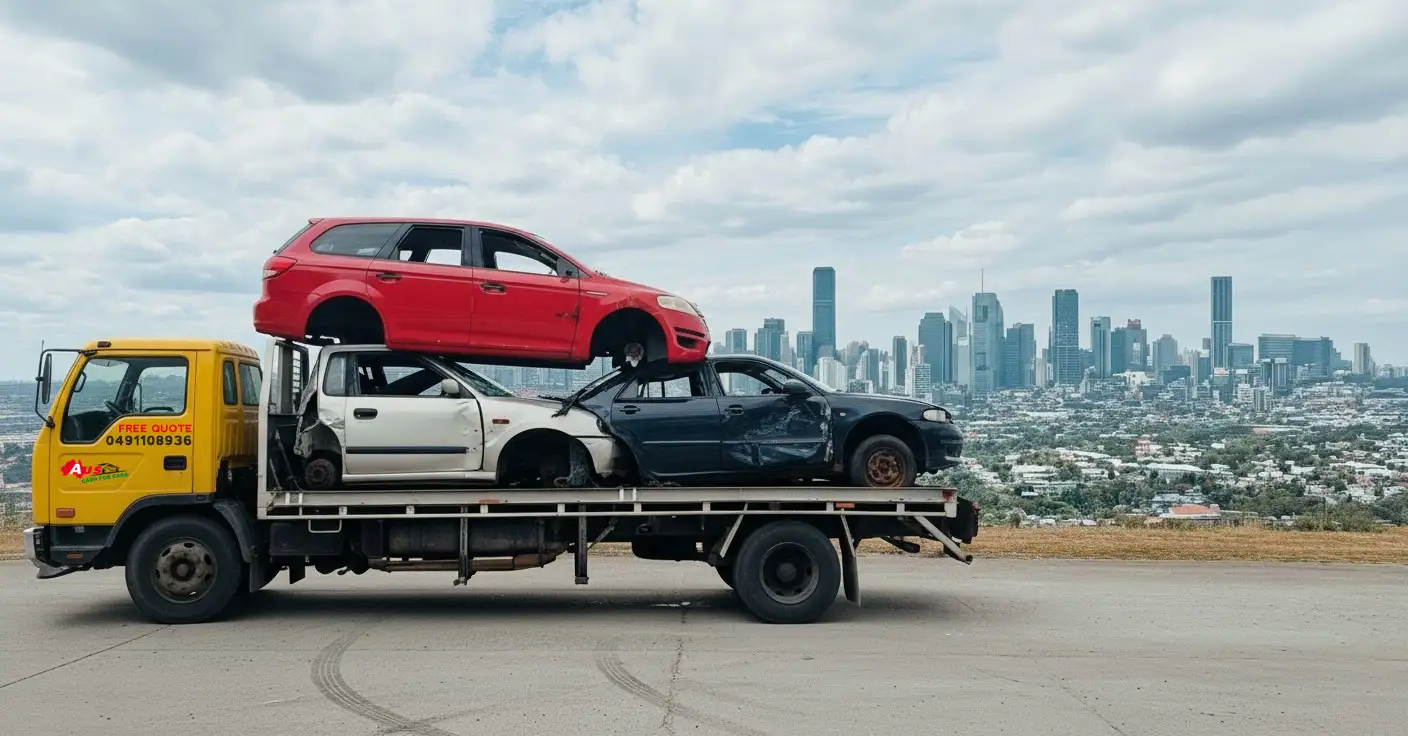
If one or more of the five signs above resonates with your situation, it's worth getting a clear picture of your options before spending more money on a car that may not be worth it.
You can get a free, no-obligation quote through Aus Cash for Cars Brisbane — no hard sell, no pressure, just a clear number so you can make an informed decision. If the offer works for you, the process is fast and straightforward. If you'd rather explore other options first, that's completely fine too.
The best decision is an informed one.
We proudly provide a top-class Cash for Cars and Free Car Removals facility to all our clients across Brisbane and surrounding suburbs. Contact us today for a Free Quote!

@ 2022 auscashforcars.com.au. All rights reserved.
Brisbane Web Design, SEO, & Digital Marketing
 Call Us